Kantara controversy: Ranveer Singh to file apology affidavit
The Kantara controversy involving actor Ranveer Singh has entered a decisive legal phase, with the Bollywood star informing the Karnataka High Court that he is prepared to submit an affidavit offering an unconditional apology. The statement was made during a hearing on March 24, where the court was examining Singh’s petition to quash an FIR registered against him over remarks linked to a cultural ritual depicted in Kantara: Chapter 1. Alongside this, the actor has also expressed his willingness to visit the Chamundi temple, aligning with the court’s observations and signalling an attempt to address concerns raised by sections of the public.
Karnataka High Court observations on Kantara controversy
During the hearing, the Karnataka High Court delivered pointed oral observations that underscored the responsibilities that come with public influence. Justice M Nagaprasanna emphasised that individuals with widespread visibility, particularly film stars, are expected to exercise restraint and sensitivity when making public statements, especially on matters connected to cultural or religious practices. The court made it clear that the actor’s imitation of a ritual associated with Kantara was not appropriate, reinforcing the principle that celebrity status does not place anyone above the law.
The bench also reflected on the enduring nature of public discourse in the digital era, noting that statements made in public forums can continue to circulate long after the moment has passed. This observation highlighted the broader implications of the case, positioning it not just as a legal issue but as a reminder of the lasting impact of words in an increasingly connected world.
Background of the Kantara controversy
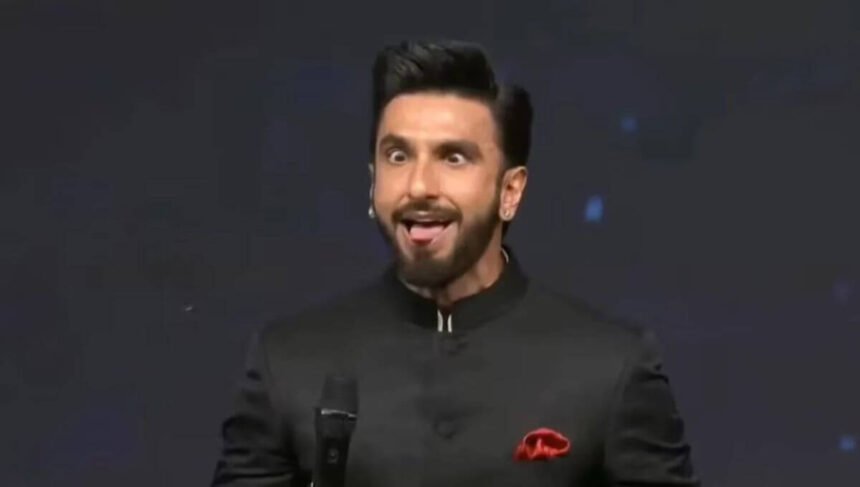
The Kantara controversy traces back to an incident last year when Ranveer Singh mimicked a Daiva or Bhoota Kola ritual, which is closely associated with Rishab Shetty’s film Kantara: Chapter 1. The act sparked criticism from certain sections of the public, who argued that the imitation was insensitive and hurt religious sentiments. What may have initially been perceived as a casual remark soon escalated into a larger debate around cultural representation and respect.
The issue eventually moved into the legal domain, with an FIR being filed against the actor under provisions related to promoting enmity and hurting religious feelings. The complaint referenced remarks made during a public appearance at the International Film Festival of India in Goa, adding further context to the controversy. In response, Singh approached the Karnataka High Court, seeking to have the case quashed and arguing that his comments, while misguided, were not intended to offend.
Legal arguments and courtroom exchange
Inside the courtroom, the proceedings reflected a mix of legal argument and moral scrutiny. Senior advocate Sajan Poovayya, representing Ranveer Singh, informed the court that the actor was willing to formally submit an affidavit tendering an apology. This move was presented as a step towards resolving the matter and demonstrating accountability in a structured and legally recognised manner.
At the same time, the complainant’s counsel raised questions about the sincerity of the actor’s earlier apology, suggesting that it lacked personal ownership and may have been issued through managed communication channels rather than as a direct expression of remorse. This line of argument added another layer to the case, shifting the focus from the act itself to the nature and authenticity of the response that followed.
The court acknowledged that a mistake had occurred and stressed the importance of genuine remorse, particularly given the scale of influence that public figures command. It indicated that such matters cannot be viewed in isolation, as they often carry wider social implications that extend beyond the individuals directly involved.
Ranveer Singh’s earlier apology
In the immediate aftermath of the backlash, Ranveer Singh had issued a public apology in which he clarified that his intention was to appreciate the performance in Kantara rather than to offend any cultural or religious sentiments. He stated that he holds deep respect for all traditions and expressed regret if his actions had caused hurt to any section of the audience.
Despite this, the controversy did not fully subside, continuing to attract attention and prompting further legal scrutiny. The situation evolved into a broader conversation about the responsibilities of public figures when engaging with culturally significant themes, as well as the expectations placed on them in terms of accountability.
What happens next
The High Court has scheduled the next hearing for April 10, by which time the affidavit is expected to be formally submitted. This upcoming stage will be crucial in determining how the case progresses, particularly in terms of how the court evaluates the actor’s response and whether it addresses the concerns raised.
For now, the Kantara controversy remains a developing story, sitting at the intersection of law, culture, and public discourse. It continues to draw attention not only because of the individuals involved but also because of the broader questions it raises about artistic expression, cultural sensitivity, and the responsibilities that accompany public influence in contemporary society.